They Weren’t Supposed to Survive—But They Did. And That Changed Everything.
A real-life story of rescue, stubborn hope, and what one reactive dog taught me about patience and getting better—one walk at a time.
A real-life story of rescue, stubborn hope, and what one reactive dog taught me about patience and getting better—one walk at a time.
My name is Cindy. Here’s how this guide came to be.
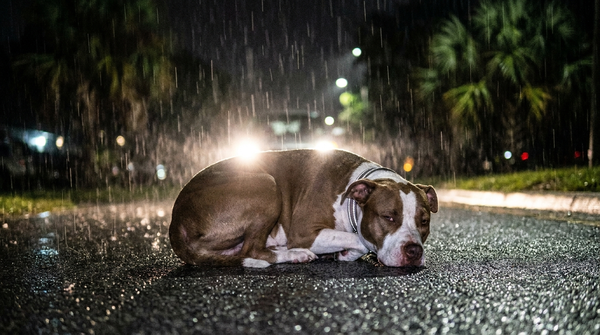
It was raining in Ewa Beach, Hawaii, the kind of rain that pools in the streets and makes headlights blur. My husband and I almost drove right past what looked like a dark shape in the road. We stopped just in time. It was a dog—soaked, shivering, not moving. Her hip was broken. We wrapped her in a beach towel and drove to the Humane Society, where we were sure her story would end.
Ten weeks later, the shelter called. She’d survived surgery. They asked if we could foster her while she healed. Of course, we said yes. We named her Ripley. For months, she learned to use her leg again. She was gentle, calm, and always watched doorways like she knew loss too well.
The day she was cleared for adoption, we brought her back to the shelter. As we walked past the kennels, Ripley stopped cold. She pulled toward a cage in the back. Inside was a smaller dog—same hound coloring, same worried eyes. Her sister, it turned out. They’d been dumped together. Ripley had healed, but her sister, Ops, hadn’t found her chance. In fact, that was Ops’ last day. She was scheduled for euthanasia.
We adopted them both. It wasn’t even a question.
That’s where this whole thing really started. Because Ops—she was scared of the world. She barked at every dog we saw. Every walk was a gauntlet of lunging, barking, shutting down, both of us embarrassed, tired, and not sure who to ask for help.
You have a dog who barks, lunges, or gets stuck on leash when they see another dog.
You’re feeling embarrassed, drained, or even a little hopeless about your walks.
You want real, science-based help, but you’re also a regular person—not a professional trainer.
You understand results take time and effort. You’re willing to do the work, even if it’s slow.
If your dog has a bite history, major anxiety that blocks your day-to-day life, or poses a safety risk to people, this guide isn’t the right fit. I say that because it’s true—and because your dog deserves professional help if things feel bigger than what a guide can cover.
Most folks think reactivity is about dominance, bad manners, or “that’s just how she is.” That’s not it. Reactivity is an emotional response—fear, frustration, sometimes both. It isn’t aggression, and it isn’t your fault.
Your dog isn’t ‘bad’—she’s worried or overwhelmed. Understanding this is the first step to changing walks for both of you.
Plain-language breakdowns of what’s happening in your dog’s brain when they flip out—and why force-free methods work.
Six weeks of practical, do-able training, with guidance and worksheets to keep you on track and not feeling lost.
No-fuss explanations of what reactivity is and isn’t
The exact protocols I used with Ops, built from real science and credited to pros who created them
A print-and-use worksheet pack to keep yourself honest and see progress over time
A six-week plan broken down by week, so you don’t have to figure out what’s next
A chapter on what to do if you get stuck or things get a little worse before they get better (because that happens)
Clear advice about when it’s time to bring in a professional—and how to find the right one
If you’re up for steady, gentle work—and your dog is, too—this guide is a realistic start. You won’t find magic fixes or shortcuts. But you will find a way forward.
I’m not a certified dog trainer, and this won’t turn your dog into a different animal in six weeks. But what I can say—with total honesty—is this: Ops is a different dog than she was four years ago. Not perfect. But so much better. And most days, that’s more than enough.
Every approach comes from force-free, science-backed methods. I credit the certified pros whose work this is built on.
You’ll find honest advice. No hype. Just what worked for Ops—and what science says should work for most dogs with time and patience.
Everything in here comes from real life. Things fell apart, sometimes. Progress wasn’t a straight line. That’s normal. Most people who stick with it see better walks, one day at a time.
I’m not a pro trainer. I say that in the guide, and I’ll say it here. I’ve rescued dogs most of my adult life, and spent four years working Ops’ reactivity—using plans and advice from actual experts. I tested every worksheet. I kept every embarrassing note. And I hear from people all the time who just need someone to lay it all out without judgment. That’s what this is: the thing I wish I’d had, written so you don’t have to guess what’s next.
A 60+ page instantly downloadable PDF guide you can read on any device.
Jargon-free chapters on the science behind why dogs do what they do, and how force-free methods can help.
A full section on what to expect when things get hard—and what to do if you stall or slip up.
Easy ways to spot when it’s time to call in a pro, plus what to look for in a good dog trainer.
The total package is plain-spoken and kind—made for everyday dog owners, not professionals. People who just want better walks and a calmer life for their dogs and their families.
What your dog really needs is a calmer you, steadier routines, and a plan that doesn’t expect perfection. This guide will not turn every walk into a parade. It will give you a way to make things better—step by step, week by week.
Getting better takes more time than anyone wants—but the changes, when they come, matter more than you think. No drama. No miracle promises. Just honest, useful help from someone who’s been there.
Ready to start? Click the button and get The Reactive Dog Recovery Blueprint today.
© 2026 The Pet Clawset – Written by Cindy, with thanks to every dog who’s ever taught me patience.